
Cultural Bali: Temples, Traditions and Timeless Stories
Look beyond Bali’s scenery and discover how temples, offerings, ceremonies and local etiquette shape a more meaningful journey.
Bali is often introduced through beaches and sunsets, but the island reveals its deeper character through everyday rituals, temple courtyards, village processions and the relationship between people, water and landscape. Culture here is not staged around visitors. It is part of the rhythm of daily life.
Why cultural context changes the journey
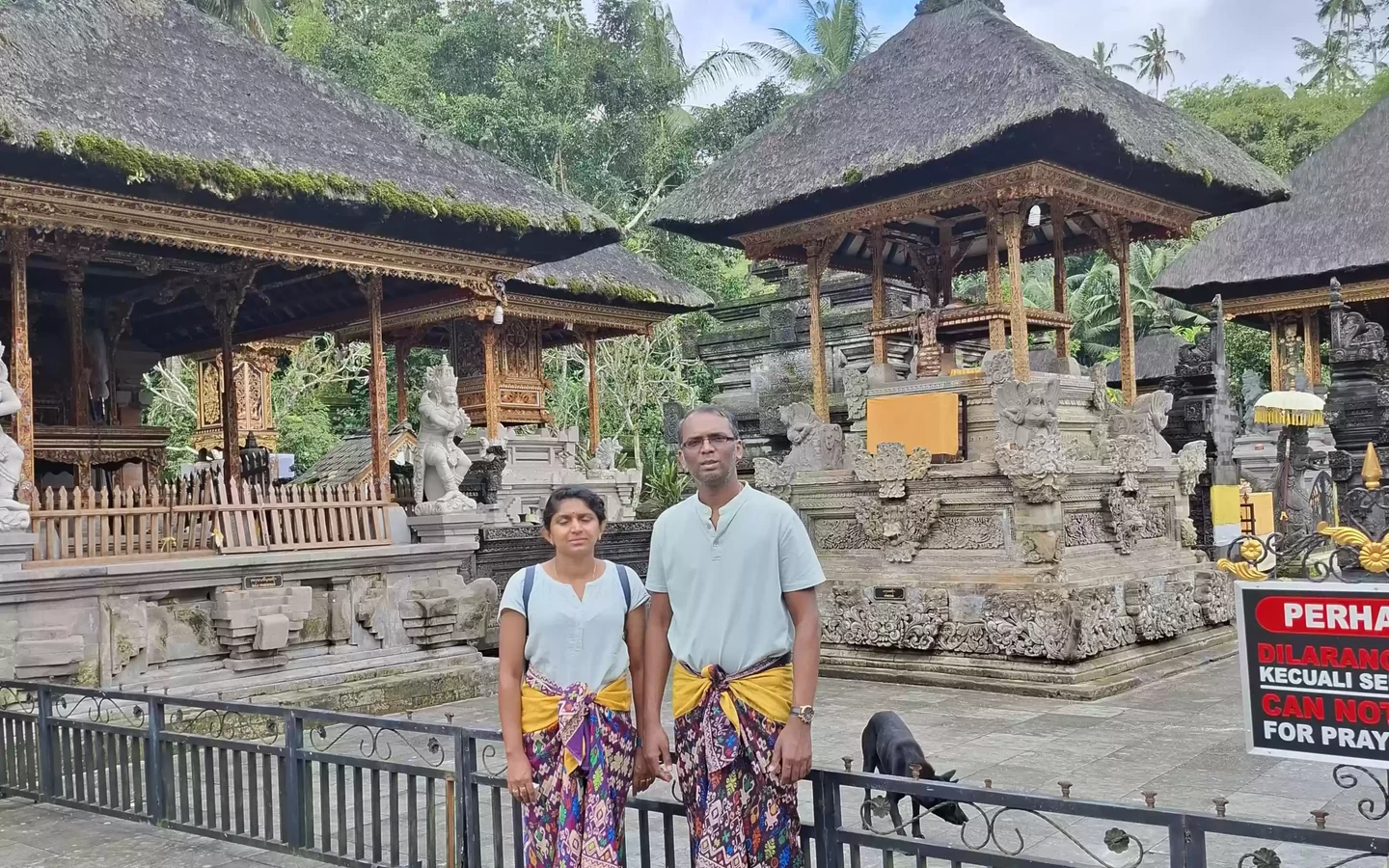
A carved gateway becomes more meaningful when you understand that it marks a transition into a sacred space. A small basket of flowers beside a doorway is not decoration, but an offering of gratitude. A temple visit becomes richer when it is approached with patience, modest clothing and respect for ceremonies already in progress.
The most memorable Bali journeys are not only about what you photograph, but about what you learn to notice.
Sacred places with different stories
Ulun Danu Beratan rises beside Lake Beratan in the cool Bedugul highlands. Its water setting reflects Bali’s long connection between agriculture, lakes and spiritual life. Early visits often feel calmest, especially when mist still hangs above the mountains.
Tirta Empul is known for its holy spring and purification pools. Visitors should remember that the bathing ritual is a living religious practice, not simply a photo activity. A local explanation helps guests understand the sequence, dress expectations and appropriate behaviour.
Taman Ayun presents a different atmosphere: broad gardens, layered meru towers and a royal history connected to Mengwi. Goa Gajah, meanwhile, brings together archaeology, cave architecture, bathing pools and a landscape shaped by centuries of worship.
In central Ubud, the royal palace and nearby cultural spaces show how architecture, dance, ceremony and community life continue to overlap.
Traditions are visible everywhere
Daily offerings, known as canang sari, appear in homes, shops, temples and even on vehicles. Ceremonies may temporarily change traffic, close a road or alter access to a destination. Rather than treating this as an inconvenience, thoughtful travellers see it as part of visiting a living culture.
Simple etiquette for temple visits
- Wear clothing that covers shoulders and knees; use a sarong and sash where required.
- Do not stand directly in front of people who are praying.
- Follow local signs and staff instructions, especially during ceremonies.
- Ask before photographing worshippers or close ceremonial activity.
- Move calmly and keep voices low inside sacred areas.
Exploring cultural Bali from the highlands
Bali Hilltop is based in Baturiti, placing our team close to Bedugul, Lake Beratan, Jatiluwih and routes that connect the highlands with Ubud, Tampaksiring and western heritage sites. This location helps us design days that flow naturally instead of forcing guests to cross the same roads repeatedly.
Our Ubud Temples & Royal Heritage Tour focuses on royal and sacred sites, while the Tanah Lot & Jatiluwih Heritage Tour links temple architecture with rice-field landscapes and sunset coastline.
Travel slowly enough to understand
A meaningful cultural day does not require visiting the largest possible number of places. It needs enough time to observe, ask questions and move respectfully. Tell the Bali Hilltop team what interests you most—temples, architecture, ceremonies, traditional dance or rural life—and we will help shape a private route with a realistic pace.